Mountain Gear
Pick your goggle lens by the light, not the color
Visible light transmission tells you more than lens tint does. Here is how to match a lens to bluebird days, storm days and everything in between.
By Rime & Ridge
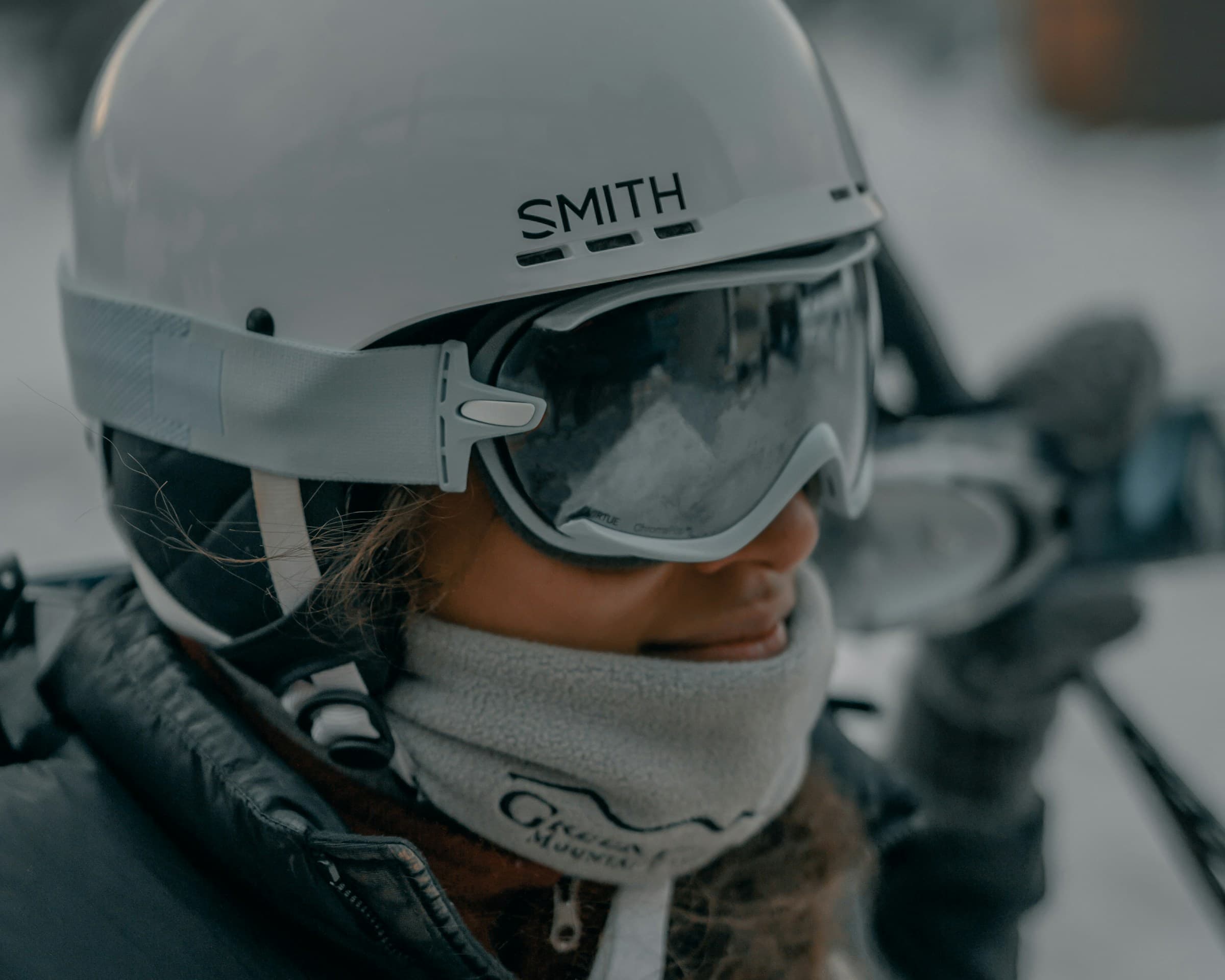
Learn one number: VLT
Visible light transmission (VLT) is the percentage of light a lens lets through to your eyes. A low VLT cuts glare on bright days; a high VLT lets more light in when clouds, fog or falling snow flatten the terrain. Lens colors vary by brand, so check the stated VLT on the listing rather than judging by tint alone.
Match the range to your usual conditions
Retailer guides commonly place bright-sun lenses at roughly 5–20% VLT, all-round and partly cloudy lenses in the middle, and flat-light or storm lenses well above that, often around 50% and higher. Yellow, amber and light rose bases usually sit at the higher end. If you ski mostly on grey days or in the trees, favor a higher VLT; if you chase spring sun, go lower.
Consider a second lens
Conditions change during a day on the hill. Many goggles are sold with a spare low-light lens or accept interchangeable lenses from the same model family. Before buying a spare lens, confirm it is made for your exact goggle frame, and check that the goggle fits with your helmet.